
If Your Review Feels Scattered, Group the Literature Before Outlining
A literature review outline organizes sources by research question, methodological path, evidentiary role, and limitation. Upload papers or enter a topic and Scientify's cloud agent can extract each source's themes, methods, conclusions, and citation leads to create an editable first outline.
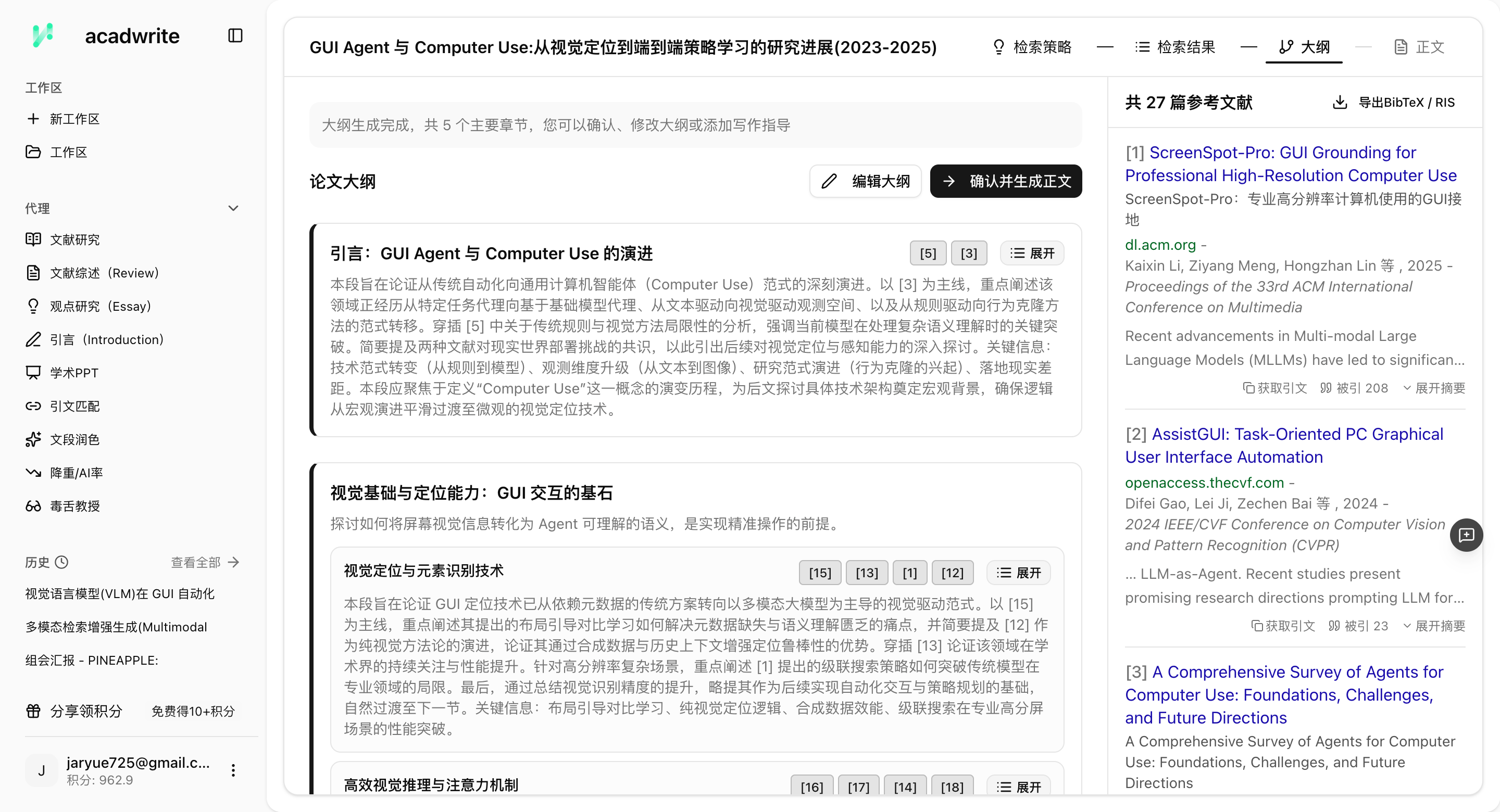
A Literature Review Outline Table You Can Use Directly
Fill in the question, evidence, and conclusion for each section first. The heading should summarize that group of material.
| Section | Question | Required Evidence | Section Conclusion |
|---|---|---|---|
| 1. Concepts and Scope | How are the core concepts defined, and what does the review cover? | Definitions, scope statements, and field reviews | State the definitions and boundaries used in the review |
| 2. Main Research Paths | Which comparable research paths have emerged? | Representative work, shared methods, and findings for each path | Explain the problems addressed and differences among paths |
| 3. Evidence and Disputes | Which conclusions agree, and which remain in conflict? | Studies supporting and opposing the same judgment | Explain whether conflicts come from samples, methods, or conditions |
| 4. Limitations and Entry Points | Which questions remain insufficiently answered? | Limitations, negative results, and uncovered settings | Identify possible entry points for future research |
How to Build a Coherent Literature Review Framework
How should I structure a literature review?
Decide the question each section answers, then place supporting sources there instead of creating sections to match the number of papers.
How should I group the literature?
Group by research theme, method, application, period, or controversy. The groups should enable meaningful comparison.
Should I use themes, methods, or a timeline?
Use themes for many research directions, methods for competing technical paths, and a timeline for clear evolution. Many reviews combine them.
What belongs in each section?
Include a focused question, representative sources, shared conclusions, comparisons, and limitations of that direction.
How do I avoid an outline that looks like a contents list?
Make each section answer a smaller question and explain relationships among sources instead of listing paper titles.
How can Scientify help?
It can extract themes, methods, conclusions, and citation leads from a topic or literature pool and generate an editable outline draft.
A Workable Outline Starts with a Clear Grouping Logic
A literature review must explain the research landscape, major methods, existing evidence, and limitations. Build the outline from questions and a grouping logic so every section has a clear role.
- Thematic structure: best for explaining the main research directions and what each addresses.
- Method-based structure: best for comparing what methods solve, where their evidence is strong, and what remains missing.
- Timeline structure: best for tracing development from early work to current trends.
- End every section with a comparison or synthesis, or the outline will become a stack of paper summaries.
- Scientify's cloud agent can organize source leads, representative studies, and section drafts. You decide what to include and add critical analysis.
Checklist After Completing Each Section
- The heading summarizes a shared question across its sources.
- The body compares at least two populations or methods.
- The cited evidence supports the section's conclusion.
- The ending states the consensus, disagreement, or unresolved question.
Five Steps from a Pile of Papers to a Review Outline
Define the Review Question
State the population, scope, and purpose of the review so the outline does not begin too broadly.
Organize the Literature Pool
Bring read papers, search results, and PDFs from your supervisor together, then extract themes, methods, findings, limitations, and citation leads.
Choose the Main Framework
Choose a thematic, methodological, or chronological structure. If needed, use themes for top-level sections and methods for comparisons within them.
Match Evidence to Every Section
Assign representative studies, comparison points, citable findings, and source passages that still need verification to each subsection.
Generate and Revise the Outline
After Scientify's cloud agent generates an editable outline, reorder sections, add transitions, and check that citations support their claims.
Provide a Topic and Literature; Receive an Outline, Groups, and Citation Leads
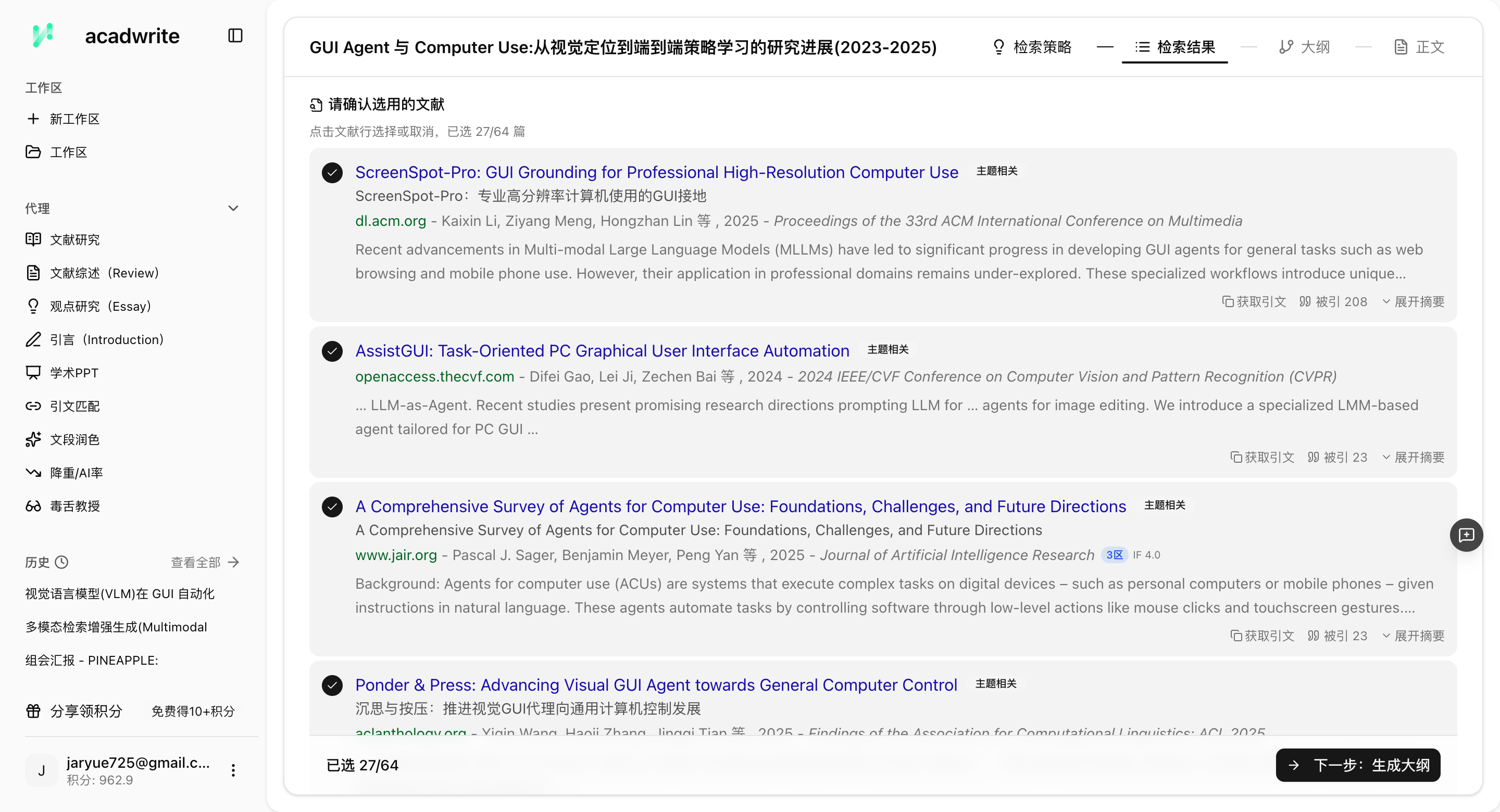
A practical answer to how to write a literature review outline must give an executable structure: enter a topic or source pool and receive a chapter framework, section tasks, representative papers, and claims to verify.
- Input: research topic, existing literature, supervisor requirements, or review scope.
- Intermediate output: thematic groups, method comparisons, timeline clues, candidate citations, and gap notices.
- Output: an editable outline with section headings, goals, evidence assignments, and writing order.
- Next step: draft from the outline and verify that every citation truly supports its claim.
Frequently Asked Questions
How should I structure a literature review?
Define the core question, then choose a grouping dimension. Common structures are thematic, methodological, and chronological: themes suit fields with many directions, methods suit technical comparisons, and timelines suit research evolution.
How do I turn many papers into a literature review outline?
Do not arrange them in paper order. Define the review question, group sources by theme, method, or chronology, make each group answer a smaller question, and add comparisons, controversies, and limitations.
What if my literature review always feels scattered?
Scattered content usually reflects unclear grouping. Group by theme, methodological path, period, or controversy, then give each group a synthesis and representative sources.
What are the most common outline mistakes?
Common mistakes include giving every paper its own subsection, leaving sections unrelated, and summarizing without comparison. Each section needs a question, representative evidence, comparison dimension, and direction of conclusion.
How do I choose between thematic, methodological, and chronological structures?
Choose themes for distinct field branches, methods for comparing technical paths, and chronology for clear evolution over time. Many reviews use themes at the top level and compare methods or periods within each section.
Can AI generate a literature review outline directly?
AI can generate a first outline when you provide a topic or source material. Scientify's cloud agent extracts themes, methods, conclusions, and citation leads, but section selection, critical judgment, and citation verification remain your responsibility.
What should I do after generating the outline?
Check that every section has enough literature, fill gaps, and generate a draft from the outline. Verify key findings and source locations before formal writing.
Continue Reading
Build an Editable Review Outline First
Enter a research topic or upload literature and let Scientify organize themes, methods, evidence, and limitations into an outline you can continue revising.